Sustainable & Green Living Guide for Apartments in Medavakkam 2026
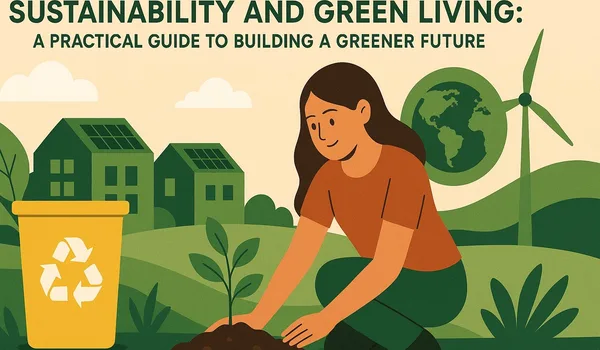
Green living is no longer a niche preference; in a city like Chennai it is practical common sense. A home in Medavakkam that harvests rainwater, uses solar for shared loads and recycles water is more comfortable to live in, gentler on the environment and often cheaper to run. This guide explains the green features worth looking for in a project, the simple habits that make your own flat greener, and how the community keeps it all working over time.
The good news is that many of these features are becoming standard rather than premium, and the personal habits cost little to adopt. Sustainability here is not about sacrifice, it is about a home that uses resources sensibly and stays pleasant to live in through Chennai's hot, dry stretches and its heavy rains alike.
Green Living at a Glance
The table sums up the main features, what each one does, and who looks after it.
| Feature | What it does | Who handles it |
|---|---|---|
| Rainwater harvesting | Recharges groundwater and cuts dependence on tankers | Developer and association |
| Solar power | Runs common-area lighting and pumps, lowering shared bills | Developer and association |
| Water recycling | A treatment plant reuses water for landscaping and flushing | Developer and association |
| Waste segregation | Wet and dry sorting with composting cuts landfill load | Association and owners |
| Efficient homes | LED lighting, rated appliances and water-saving fixtures | Owner |
| Green cover | Native trees and landscaping keep the campus cooler | Developer and association |
Why Green Living Is Worth It
The case for a greener home is simple and practical. Rainwater harvesting and water recycling ease the strain on groundwater and reduce reliance on water tankers, which matters through Chennai's dry months. Solar power for common areas trims the shared electricity bill that every owner contributes to. Efficient lighting and appliances lower your own running costs, and native landscaping keeps the campus cooler and more pleasant. Together these make daily life more comfortable while treading lighter on the environment, and they add to a project's long-term appeal.
Bottom line: Green features cut water and power dependence, lower running costs and keep a home comfortable, which is why they are worth seeking out.Green Features to Look for in a Project
When you evaluate a development, look past the brochure adjectives to the working systems. Rainwater harvesting is required for buildings in Tamil Nadu, so check it is properly implemented and maintained, not just installed. Ask whether solar panels power common-area lighting and pumps, and whether a sewage treatment plant recycles water for landscaping and flushing. Look for wet and dry waste segregation with composting, and native, low-water landscaping that suits the local climate. A well-run gated community is usually where these systems are designed in and actually maintained, as our best gated community guide explains.
Bottom line: Look for working rainwater harvesting, solar for common areas, a treatment plant, waste segregation and native landscaping, not just the labels.How to Make Your Own Home Greener
Plenty is within your own control, and most of it is inexpensive. Switch to LED lighting, choose energy-rated appliances when you replace them, and fit water-saving taps and dual-flush cisterns to cut consumption without effort. Segregate your wet and dry waste so the society's composting and recycling actually work. Make the most of natural light and cross-ventilation to reduce the hours your lights and air conditioning run, and add a few indoor or balcony plants for comfort. When you plan interiors, choosing durable, efficient fittings pays back for years, as our home interiors & fit-out guide describes.
Bottom line: LED lighting, rated appliances, water-saving fixtures, waste segregation and using natural light and air make your own flat greener at little cost.A Greener Address: Prestige Medavakkam
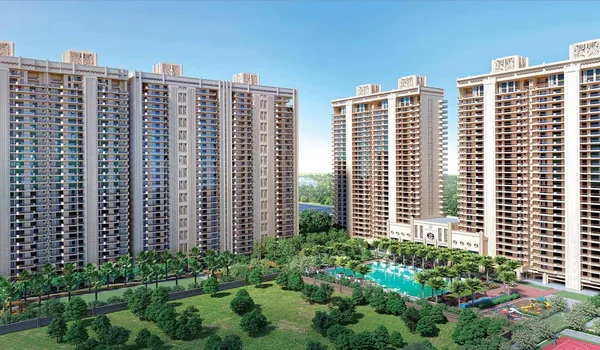
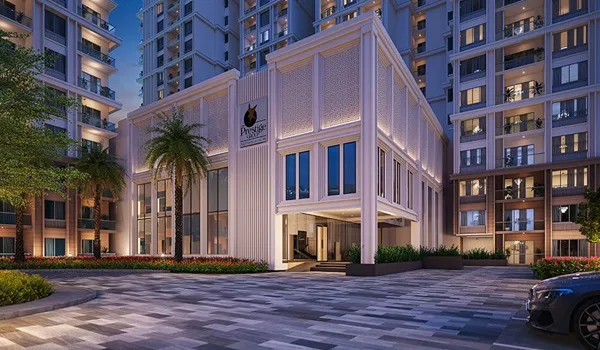
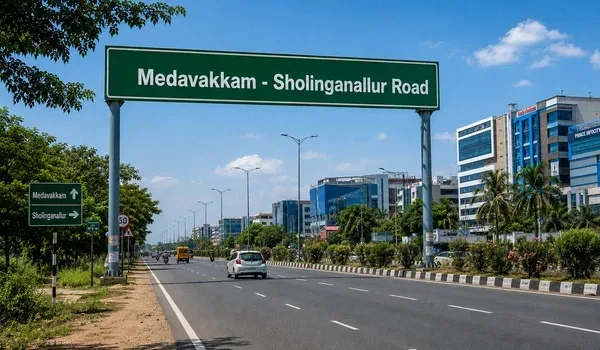
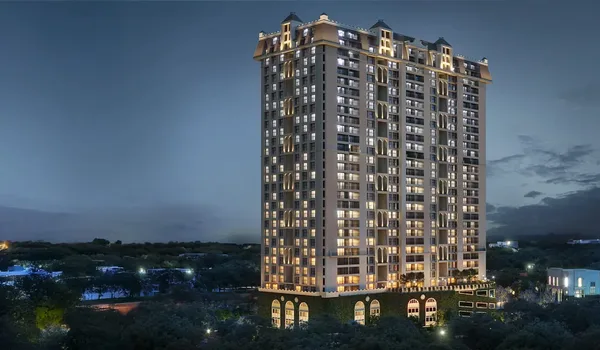
Green systems work best when they are planned into a project and maintained by an active community. Prestige Medavakkam is a gated apartment project by Prestige Group on Medavakkam–Sholinganallur Road, at pre-launch stage in 2026 with the TN-RERA application in process. When you evaluate it, ask about rainwater harvesting, water recycling, solar for common areas and waste management, then review the location map, floor plans and price list.
- Builder: Prestige Group
- Location: Medavakkam–Sholinganallur Road, South Chennai
- Configuration: 2 / 3 / 4 BHK apartments
- Starting price: ₹1.30 Cr onwards
- Status: Pre-launch, RERA application in process
The Community Angle
Green living is partly a shared effort, and the association is where it holds together. The society keeps rainwater harvesting pits and the treatment plant working, runs composting and recycling, maintains solar installations and the landscaping, and encourages the habits that make segregation and water saving effective. Residents who take part, sorting waste, reporting leaks, using water thoughtfully, make the systems genuinely deliver rather than sit idle. These efforts are organised through the society, as our maintenance & society living guide explains.
Bottom line: Green systems only deliver when the association maintains them and residents take part, so an engaged community is what makes sustainability real.Frequently Asked Questions
1. Is rainwater harvesting mandatory in Chennai?
Rainwater harvesting is required for buildings in Tamil Nadu. Check that a project has implemented and maintains it properly, rather than treating it as a tick-box.
2. What green features should I look for in a project?
Working rainwater harvesting, solar for common areas, a sewage treatment plant that recycles water, wet and dry waste segregation, and native, low-water landscaping.
3. Does green living actually lower costs?
Often yes. Solar trims shared bills, efficient lighting and appliances cut your own usage, and rainwater harvesting reduces reliance on paid water tankers.
4. How can I make my own flat greener?
Use LED lighting, energy-rated appliances and water-saving fixtures, segregate your waste, and make the most of natural light and cross-ventilation to run less.
5. What is a sewage treatment plant for?
It treats the community's wastewater so it can be reused for landscaping and flushing, reducing fresh-water demand. Most larger gated projects include one.
6. Who keeps green systems running?
The association maintains harvesting pits, the treatment plant, solar and landscaping, while residents help by segregating waste and using water and power thoughtfully.
Conclusion
Green living in Medavakkam works on two levels: choosing a project with real, maintained systems like rainwater harvesting, solar and water recycling, and adopting simple habits at home such as efficient lighting, water-saving fixtures and waste segregation. Backed by an engaged community, these turn a flat into a comfortable, lower-cost and lighter-footprint home.
To see how green features are planned into a gated community, book a site visit at Prestige Medavakkam and ask how each system is run and maintained.
Prestige Medavakkam Blog
 Medavakkam Real Estate Guide 2026
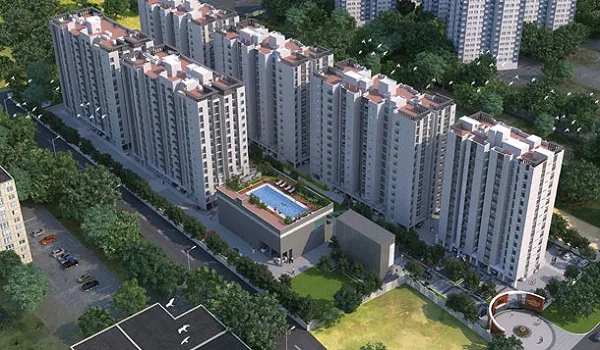 Top 10 Residential Apartment Projects in Medavakkam 2026
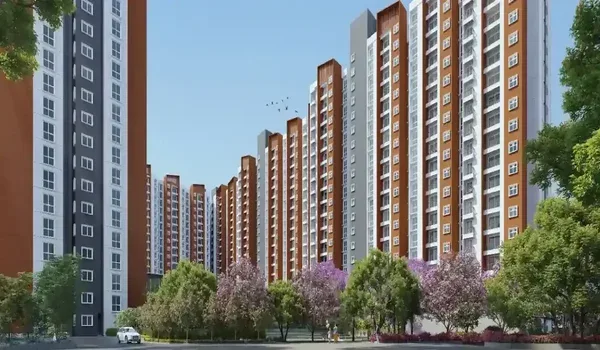 RERA Approved Pre Launch Projects in Medavakkam 2026
 Ready to Move Apartments in Medavakkam 2026
 New Launch Apartment Projects in Medavakkam 2026
 Medavakkam Property Price Trends 2026
 Is Medavakkam a Good Place to Invest in 2026
 3 BHK Apartments for Sale in Medavakkam 2026
 Top Builders and Developers in Medavakkam 2026
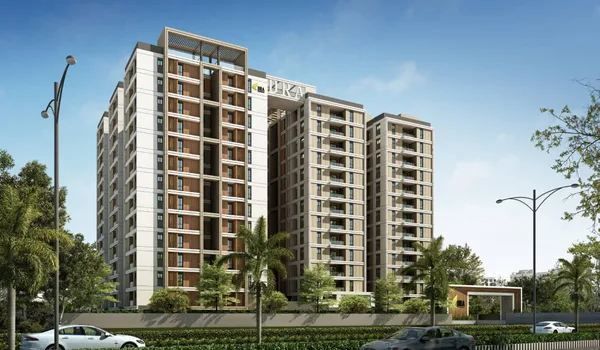 Apartments Near Sholinganallur & OMR IT Hub Medavakkam 2026
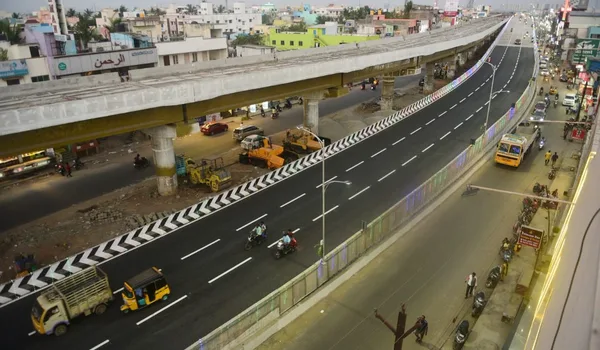 Medavakkam vs Velachery 2026
 Rental Yield & ROI for Apartments in Medavakkam 2026
 Affordable Apartments Under ₹1 Cr in Medavakkam 2026
 Best Gated Community Apartments in Medavakkam 2026
 Medavakkam vs Sholinganallur 2026
 Under-Construction Projects in Medavakkam 2026
 Apartments Near Velachery from Medavakkam 2026
 2 BHK Apartments for Sale in Medavakkam 2026
 4 BHK Apartments for Sale in Medavakkam 2026
 Home Loan & EMI Guide for Medavakkam 2026
 Apartments Near Medavakkam Metro Station 2026
 Villas for Sale in Medavakkam 2026
 NRI Guide to Buying Property in Medavakkam 2026
 Apartment Possession & Handover Checklist Medavakkam 2026
 Stamp Duty & Registration Charges in Medavakkam 2026
 Property Documents Checklist Before Buying in Medavakkam 2026
 Ready to Move vs Under Construction in Medavakkam 2026
 First-Time Home Buyer Guide for Medavakkam 2026
 Vaastu Tips for Buying an Apartment in Medavakkam 2026
 Rental Management Guide for Medavakkam Owners 2026
 Home Interiors & Fit-Out Guide for Medavakkam 2026
 How to Sell Your Apartment in Medavakkam 2026
 Maintenance Charges & Society Living in Medavakkam 2026
 Commercial & Office Space in Medavakkam 2026
 Moving-In & Relocation Checklist for Medavakkam 2026
 Home Insurance Guide for Medavakkam Owners 2026
 Property Tax Guide for Medavakkam Owners 2026
 Home Safety & Security Guide for Medavakkam 2026
 Buying vs Renting in Medavakkam 2026
 Monsoon & Flood Preparedness Guide for Medavakkam 2026
 EV Charging & Parking Guide for Medavakkam 2026
 Senior & Elderly-Friendly Apartment Guide Medavakkam 2026
 Pet-Friendly Apartment Living Guide for Medavakkam 2026
 Work-From-Home Apartment Buying Guide for Medavakkam 2026
 Builder Payment Plans Guide for Medavakkam 2026
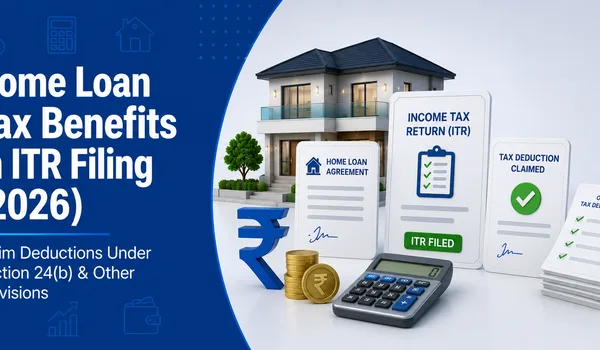 Home Loan Tax Benefits Guide for Medavakkam 2026
 Apartment Resale Value Guide for Medavakkam 2026
 Apartment Site Visit Checklist for Medavakkam 2026
 Joint Home Purchase Guide for Medavakkam 2026
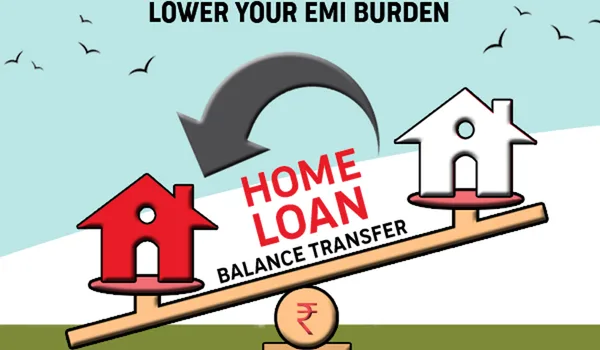 Home Loan Balance Transfer Guide for Medavakkam 2026
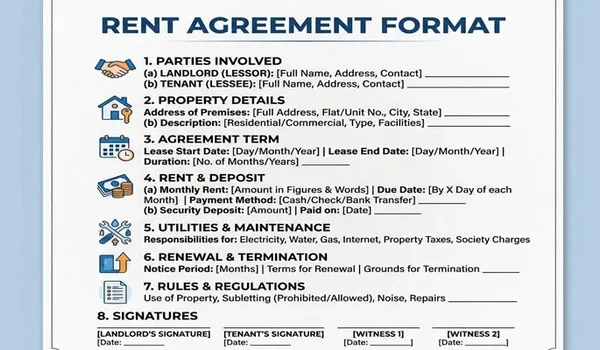 Rental Agreement Guide for Medavakkam Owners 2026
 High-Rise vs Low-Rise Apartments Medavakkam 2026
 Children & Family-Friendly Apartment Guide Medavakkam 2026
 Power Backup Guide for Medavakkam Apartments 2026
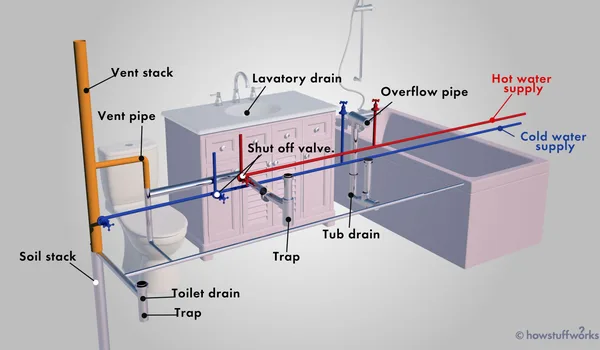 Water Supply & Plumbing Guide for Medavakkam 2026
 RERA Buyer Rights & Complaint Guide Medavakkam 2026
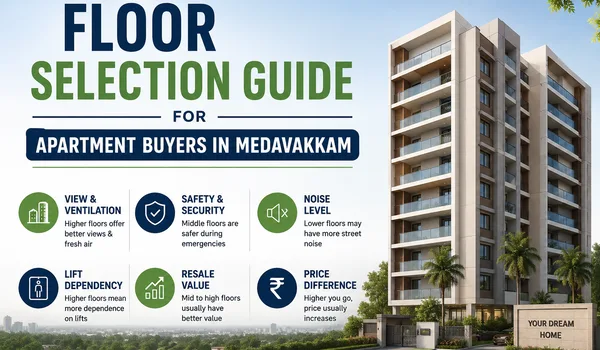 Floor Selection Guide for Medavakkam Apartment Buyers 2026
 Noise & Soundproofing Guide for Medavakkam Apartments 2026
 Broadband & Internet Connectivity Guide Medavakkam 2026
 Fire Safety Guide for Medavakkam Apartments 2026
 Apartment Layout & Configuration Guide Medavakkam 2026
 Swimming Pool & Clubhouse Guide for Medavakkam 2026