Builder Payment Plans Guide for Apartment Buyers in Medavakkam 2026

When you buy an under-construction apartment in Medavakkam, the price on the brochure is only half the conversation. The other half is the payment plan: the schedule by which you transfer money to the builder over the construction period. Most buyers focus entirely on the per-square-foot rate and the floor plan, and sign the payment plan schedule without reading it carefully. That is a mistake, because the payment plan affects your total cash outflow, the interest you pay on your home loan before possession, and how much financial risk you absorb if the project is delayed.
Prestige Medavakkam and other under-construction projects in the Medavakkam area typically offer one of four payment structures. This guide explains each one plainly so you can ask the right questions before booking. Confirm the exact terms with the builder's sales team and verify the schedule clause in your agreement before signing.
Payment Plans at a Glance
The table below covers the four main payment plan types, how each works, who it suits best, and the key risk to watch for.
| Payment Plan | How it works | Best suited for | Key watch-out |
|---|---|---|---|
| Construction Linked Plan (CLP) | Payment in stages tied to defined construction milestones: booking amount, foundation, plinth, successive slabs, brickwork, finishing, possession; loan is disbursed in matching tranches | Buyers who want payment pace matched to actual construction progress; lower pre-EMI interest exposure | Read exactly which milestone triggers each tranche; vague milestones give the builder flexibility on timing |
| Down Payment Plan | 80–90% of the flat price paid upfront at or shortly after booking; bank disburses as a lump sum; builder may offer a price discount in exchange for the early cash | Buyers with surplus funds who want a potential price benefit and do not want to track stage-linked calls | Full interest runs on the entire disbursed amount from day one; if the project delays, you have already paid most of the price |
| Flexi Payment Plan | Hybrid structure: a larger upfront tranche (typically 30–40%) at booking and the balance paid stage-linked through construction; sits between CLP and Down Payment in risk and interest exposure | Buyers who want a partial price benefit without full upfront exposure; moderate-risk profile | The upfront tranche is non-refundable in most cases; confirm the refund and cancellation clause before signing |
| Subvention Scheme | Builder pays the pre-EMI interest charged by the bank on the disbursed amount until possession; buyer’s full EMI begins only at handover; typically structured as a tripartite agreement between builder, bank and buyer | Buyers on a tight monthly budget during the construction period who do not want EMI outflows before possession | If the builder stops paying the pre-EMI, the default falls on your credit record; check the builder’s track record and financial standing carefully before choosing this plan |
Construction Linked Plan: The Standard Choice
The Construction Linked Plan (CLP) is the most widely used and most straightforward payment structure for under-construction flats. You pay in stages as the building rises: a booking amount to reserve the unit, then tranches at foundation, plinth, successive slab castings, brickwork, finishing and finally at possession. Your bank disburses the loan in matching tranches, and pre-EMI interest is charged only on the amount disbursed so far, not on the full loan. This keeps your interest outflow proportional to the actual construction stage and limits your financial exposure if the project is delayed at any point. The key question to ask on a CLP is how precisely each milestone is defined in the agreement. Some agreements use vague language such as "completion of superstructure" without specifying which floor or percentage; a well-drafted CLP names the specific slab and a minimum construction level before the tranche falls due. Our home loan & EMI guide covers how bank disbursements work alongside a CLP schedule in detail.
Bottom line: CLP is the default choice for most buyers: interest runs only on what is disbursed, and payment tracks actual progress rather than calendar dates.Down Payment Plan: For Buyers with Surplus Funds
A Down Payment Plan requires paying 80–90% of the flat's price at or shortly after booking, with the balance due at possession. Builders offer this option because receiving most of the payment upfront improves their construction cash flow, and some pass part of that benefit on to buyers as a price discount (indicative, confirm with the builder's current offer). The trade-off is significant: your bank disburses the full loan amount immediately, and pre-EMI interest runs on the entire principal from day one of disbursement, through the entire construction period. If construction takes three years, you are paying interest on the full amount for three years before you move in. This plan suits buyers who have the cash flow to absorb that interest or are buying without a bank loan, and who are confident in the builder's ability to deliver on schedule. A project delay is proportionally more damaging on a Down Payment Plan than on a CLP, because you have already paid nearly everything and have less financial leverage to push for progress.
Bottom line: A Down Payment Plan may come with a price benefit, but it concentrates your interest exposure from day one; only choose it if you are confident in the builder's delivery record.Flexi and Subvention Plans: Read Before You Sign
A Flexi Plan splits the difference: a larger early tranche (often 30–40%) at booking gives the builder some early funding while the rest follows construction milestones. It avoids the full interest burden of a Down Payment Plan while still offering a moderate price benefit in some cases. Check the cancellation and refund clause on the upfront tranche carefully; in most agreements, the booking and first tranche are non-refundable if you cancel after a defined period. A Subvention Scheme is more complex: the builder agrees to pay the pre-EMI interest charged by your bank on the disbursed loan amount until possession, so your EMI starts only at handover. This sounds attractive but introduces a third-party risk: if the builder defaults on the pre-EMI payments, the bank's charge falls on your loan account, affecting your credit record even though you had no hand in the default. RERA regulations have restricted some forms of subvention schemes in recent years; confirm the current legal position and the specific scheme terms with a TN-RERA-registered broker or legal advisor before signing a subvention agreement. Our ready to move vs under-construction guide covers when under-construction risk is worth accepting overall.
Bottom line: Flexi plans are generally safe if the refund clause is clear; subvention schemes require extra due diligence on the builder's financial standing and the specific scheme terms.Payment Plans at Prestige Medavakkam
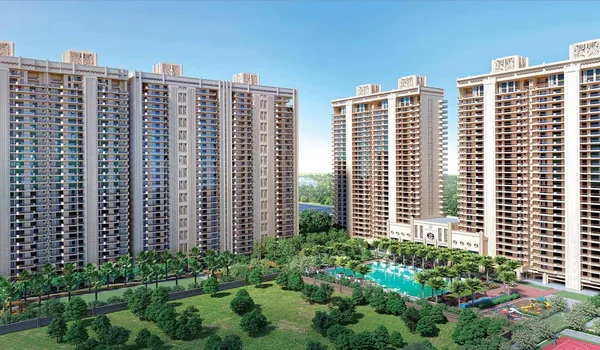
Prestige Medavakkam is a pre-launch gated apartment project by Prestige Group on Medavakkam–Sholinganallur Road, with the TN-RERA application in process. Payment plan details, including the available structures and any current pricing benefits, are available directly from the sales team. Ask specifically which payment plan options are offered, what the milestone definitions are under each plan, and what the cancellation and refund terms are, before booking. Review the price list and the floor plans alongside the payment schedule to get a complete picture of your commitment.
- Builder: Prestige Group
- Location: Medavakkam–Sholinganallur Road, South Chennai
- Configuration: 2 / 3 / 4 BHK apartments
- Starting price: ₹1.30 Cr onwards
- Status: Pre-launch, RERA application in process
How the Payment Plan Affects Your Home Loan
Your bank's role changes depending on the payment plan. Under a CLP, the bank disburses tranches as you submit builder demand letters against each milestone; you pay only pre-EMI interest on the cumulative disbursed amount. Under a Down Payment Plan, the bank releases most or all of the loan at the outset, and full pre-EMI interest runs immediately. The payment plan also affects how quickly you reach the principal repayment stage: on a CLP, you typically convert from pre-EMI to full EMI at or after possession; on a Down Payment Plan, some banks convert you to full EMI earlier since the full amount is already disbursed. Discuss your specific bank's policy with your loan officer before committing to a payment plan. Our first-time home buyer guide covers the broader buying timeline from budget-setting to possession, which helps you see where the payment plan fits in. For a checklist of what to confirm at the handover stage, see our apartment possession & handover checklist.
Bottom line: The payment plan determines when your bank disburses and when full EMI starts; confirm your bank’s specific policy alongside the builder’s plan terms before signing.Frequently Asked Questions
1. What is a Construction Linked Plan (CLP)?
A CLP ties payment tranches to defined construction milestones: booking, foundation, each slab, finishing and possession. The bank disburses in matching stages, so pre-EMI interest runs only on the amount disbursed so far, not the full loan.
2. Is a Down Payment Plan cheaper than a CLP?
It may carry a lower flat price, but full interest runs on the entire disbursed loan from day one. If construction takes two to three years, the total interest cost often exceeds any upfront price benefit. Compare the numbers with your bank before deciding.
3. What is a Subvention Scheme and is it safe?
The builder pays pre-EMI interest until possession so your EMI starts only at handover. If the builder defaults on those payments, the charge falls on your loan account. Check the builder's financial standing and the scheme terms carefully before agreeing.
4. Can I switch payment plans after booking?
This depends on the builder's policy and what is written in your booking agreement. Some builders permit a switch at an early stage; most do not allow changes once the agreement is registered. Clarify this in writing before booking.
5. Does the payment plan affect my home loan eligibility?
The payment plan does not directly change your loan eligibility, but it affects disbursement timing and pre-EMI obligations. Some banks have specific policies on subvention schemes; confirm your bank's stance before selecting that plan.
6. What payment plan does Prestige Medavakkam offer?
Payment plan details are confirmed by the sales team directly. Contact the Prestige Medavakkam sales office to get the current options, milestone definitions and any pricing benefits associated with each plan before booking.
Conclusion
The payment plan is one of the most important financial decisions in an under-construction purchase, yet most buyers give it less attention than the floor plan or the price per square foot. A Construction Linked Plan is the safest default for most buyers: your interest outflow tracks construction progress and your financial exposure at any point is limited to what has actually been built. A Down Payment Plan may offer a price benefit, but the full interest burden runs from day one. A Flexi Plan sits in between; a Subvention Scheme requires extra care in checking the builder's financial standing and the scheme's specific terms. Whichever plan you consider, read the milestone definitions and the cancellation clause in the agreement, discuss the disbursement timeline with your bank, and confirm all payment schedule terms in writing before you sign.
To learn about the payment plan options currently available at Prestige Medavakkam, contact the sales team directly.
Prestige Medavakkam Blog
 Medavakkam Real Estate Guide 2026
 Top 10 Residential Apartment Projects in Medavakkam 2026
 RERA Approved Pre Launch Projects in Medavakkam 2026
 Ready to Move Apartments in Medavakkam 2026
 New Launch Apartment Projects in Medavakkam 2026
 Medavakkam Property Price Trends 2026
 Is Medavakkam a Good Place to Invest in 2026
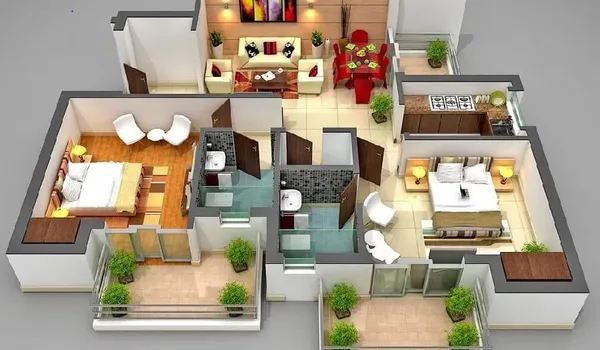 3 BHK Apartments for Sale in Medavakkam 2026
 Top Builders and Developers in Medavakkam 2026
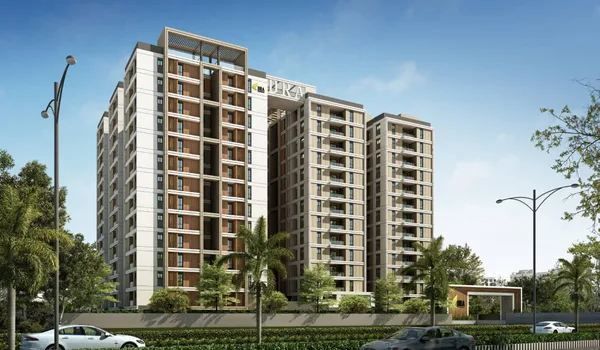 Apartments Near Sholinganallur & OMR IT Hub Medavakkam 2026
 Medavakkam vs Velachery 2026
 Rental Yield & ROI for Apartments in Medavakkam 2026
 Affordable Apartments Under ₹1 Cr in Medavakkam 2026
 Best Gated Community Apartments in Medavakkam 2026
 Medavakkam vs Sholinganallur 2026
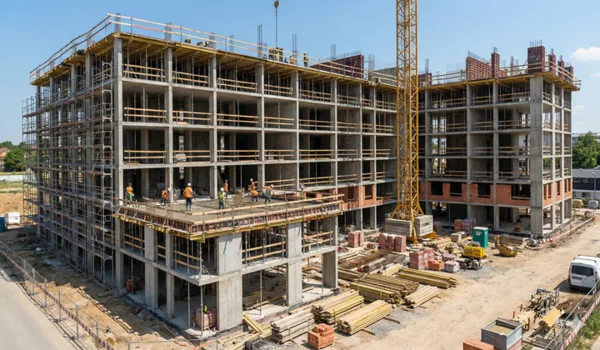 Under-Construction Projects in Medavakkam 2026
 Apartments Near Velachery from Medavakkam 2026
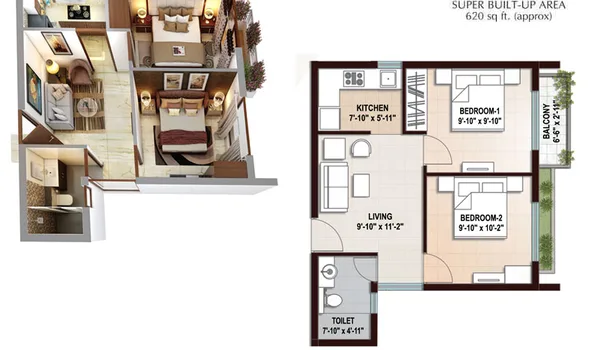 2 BHK Apartments for Sale in Medavakkam 2026
 4 BHK Apartments for Sale in Medavakkam 2026
 Home Loan & EMI Guide for Medavakkam 2026
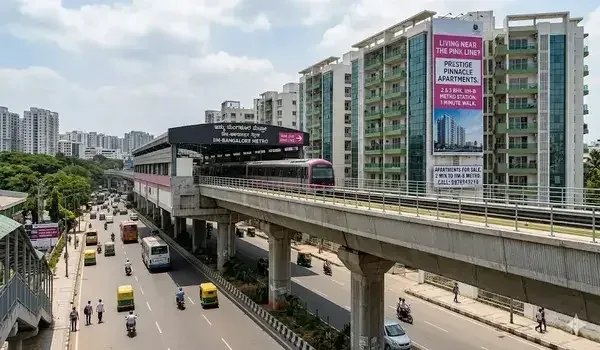 Apartments Near Medavakkam Metro Station 2026
 Villas for Sale in Medavakkam 2026
 NRI Guide to Buying Property in Medavakkam 2026
 Apartment Possession & Handover Checklist Medavakkam 2026
 Stamp Duty & Registration Charges in Medavakkam 2026
 Property Documents Checklist Before Buying in Medavakkam 2026
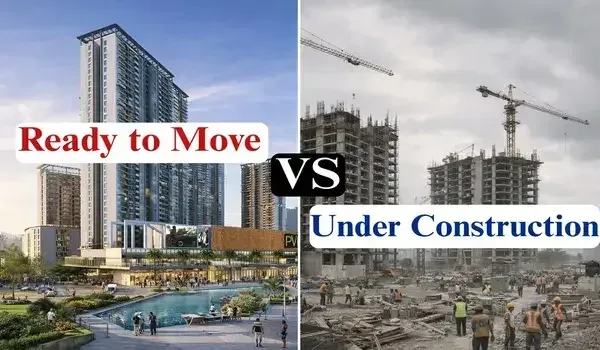 Ready to Move vs Under Construction in Medavakkam 2026
 First-Time Home Buyer Guide for Medavakkam 2026
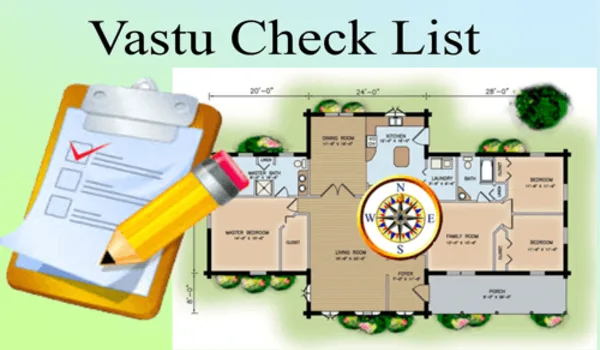 Vaastu Tips for Buying an Apartment in Medavakkam 2026
 Rental Management Guide for Medavakkam Owners 2026
 Home Interiors & Fit-Out Guide for Medavakkam 2026
 How to Sell Your Apartment in Medavakkam 2026
 Maintenance Charges & Society Living in Medavakkam 2026
 Commercial & Office Space in Medavakkam 2026
 Moving-In & Relocation Checklist for Medavakkam 2026
 Home Insurance Guide for Medavakkam Owners 2026
 Property Tax Guide for Medavakkam Owners 2026
 Home Safety & Security Guide for Medavakkam 2026
 Buying vs Renting in Medavakkam 2026
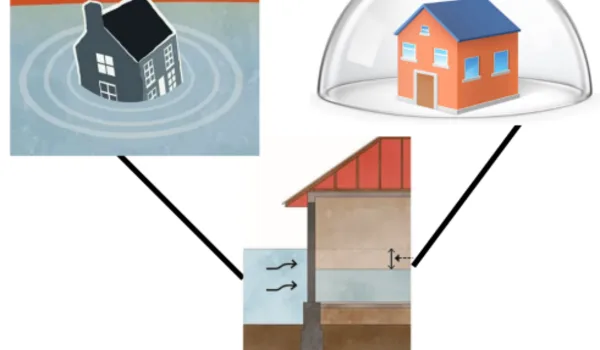 Monsoon & Flood Preparedness Guide for Medavakkam 2026
 EV Charging & Parking Guide for Medavakkam 2026
 Sustainable & Green Living Guide for Medavakkam 2026
 Senior & Elderly-Friendly Apartment Guide Medavakkam 2026
 Pet-Friendly Apartment Living Guide for Medavakkam 2026
 Work-From-Home Apartment Buying Guide for Medavakkam 2026
 Home Loan Tax Benefits Guide for Medavakkam 2026
 Apartment Resale Value Guide for Medavakkam 2026
 Apartment Site Visit Checklist for Medavakkam 2026
 Joint Home Purchase Guide for Medavakkam 2026
 Home Loan Balance Transfer Guide for Medavakkam 2026
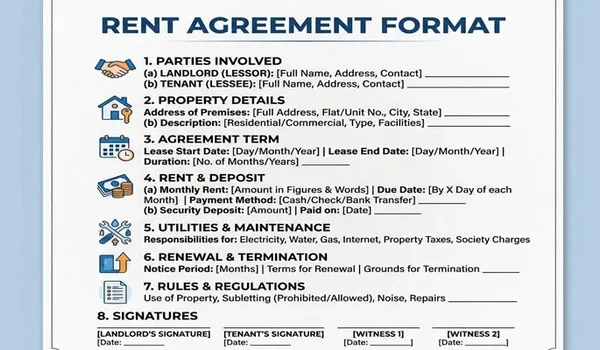 Rental Agreement Guide for Medavakkam Owners 2026
 High-Rise vs Low-Rise Apartments Medavakkam 2026
 Children & Family-Friendly Apartment Guide Medavakkam 2026
 Power Backup Guide for Medavakkam Apartments 2026
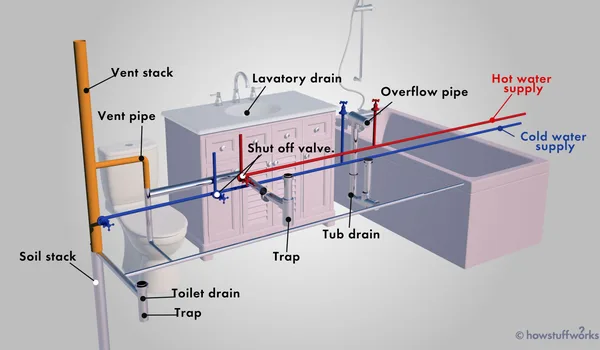 Water Supply & Plumbing Guide for Medavakkam 2026
 RERA Buyer Rights & Complaint Guide Medavakkam 2026
 Floor Selection Guide for Medavakkam Apartment Buyers 2026
 Noise & Soundproofing Guide for Medavakkam Apartments 2026
 Broadband & Internet Connectivity Guide Medavakkam 2026
 Fire Safety Guide for Medavakkam Apartments 2026
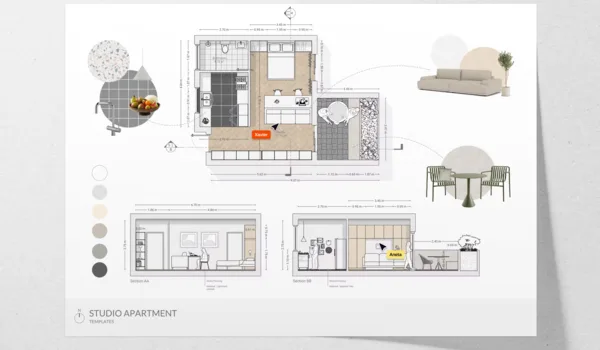 Apartment Layout & Configuration Guide Medavakkam 2026
 Swimming Pool & Clubhouse Guide for Medavakkam 2026