High-Rise vs Low-Rise Apartments in Medavakkam 2026
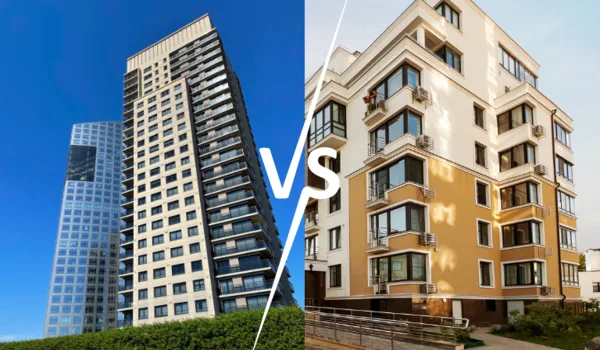
Most apartment buyers in Medavakkam compare projects on budget, BHK configuration and location, but relatively few pause to consider whether they want a high-rise tower or a low-rise block before shortlisting. The distinction matters in practical ways that affect daily life: how long you wait for a lift, how your water pressure behaves on the top floors, how the community feels in a building shared with 300 versus 80 families, and how the building performs in an emergency. Neither format is universally better; the right choice depends on lifestyle preferences, budget constraints and the specific project quality.
Prestige Medavakkam is a pre-launch gated apartment project by Prestige Group on Medavakkam–Sholinganallur Road. Our first-time home buyer guide covers the full apartment buying journey, including shortlisting criteria. This page focuses specifically on the high-rise versus low-rise comparison so you can add building type to your checklist before visiting a site.
High-Rise vs Low-Rise: A Quick Comparison
The table below compares high-rise (typically 10 or more floors) and low-rise (typically four floors or fewer) apartment buildings across six practical dimensions. Mid-rise buildings (five to nine floors) share characteristics of both, leaning closer to high-rise as you approach ten floors.
| Aspect | High-Rise (10+ floors) | Low-Rise (up to 4 floors) |
|---|---|---|
| Views and natural light | Upper floors offer unobstructed views, better cross-ventilation and more natural light; lower floors of a high-rise may feel hemmed in by the building's own podium or adjacent towers | All floors tend to receive comparable daylight; natural light is generally good throughout but views are limited to neighbourhood level and can be blocked by adjacent construction |
| Lift dependency and wait time | Essential infrastructure: a high-rise without adequate lifts (including a service lift) creates daily frustration; power backup for lifts is a must-check at the site visit | Lifts are helpful but not critical; residents on lower floors often use stairs without difficulty; less exposure to lift breakdown delays |
| Construction timeline and possession | High-rise towers with 20 or more floors typically take longer to complete; more complex structure, more floors to finish, and any delays in one stage cascade further | Low-rise blocks generally complete faster; simpler structure with fewer floors to finish; lower risk of significant possession delays from structural complexity |
| Water pressure | Overhead tank and booster pump systems are required to maintain water pressure above the eighth or tenth floor; inadequate booster pump capacity is a common post-possession complaint in older high-rise projects | Water pressure is generally reliable at all floors without boosters; gravity-fed systems work more predictably across three or four floors |
| Community size and social atmosphere | A high-rise complex often houses more families, with a larger common area budget but a less intimate community feel; larger AGMs, more complex RWA governance, higher variety of resident profiles | Smaller community, often more cohesive; residents tend to know neighbours better; RWA governance is simpler; common areas may be more modest in scope |
| Emergency egress and fire safety | Staircase width, pressurization, fire-lift provision and refuge floors are critical safety checks; NBC 2016 norms mandate specific requirements above certain heights; verify compliance during the site visit | Emergency exit via the staircase is quicker and less dependent on specialized systems; fire evacuation from low floors is significantly simpler and faster in most scenarios |
Views, Ventilation and the Practical Case for Height
The most frequently cited reason for choosing a higher floor in a high-rise is the view and ventilation benefit. Above the eighth or tenth floor in Medavakkam, most apartments see beyond the immediate neighbourhood canopy, receive unobstructed morning light and benefit from better cross-ventilation especially in the northeast-to-southwest prevailing wind direction. For many buyers, this is a significant quality-of-life advantage and can affect the resale value of the flat, since upper floors in a well-maintained high-rise tend to command a premium over ground-level units in the same building.
Low-rise buildings offer a different kind of living: ground-level connection, no lift dependency for daily grocery runs or young children coming home from school, and a neighbourhood feel that some families strongly prefer. A flat on the second floor of a four-storey block is never more than two flights of stairs from the street, which is useful during power cuts or a lift breakdown. Our best gated community apartments guide lists Medavakkam projects across both building types, with notes on the community scale and amenity provision each offers.
Bottom line: Upper floors of high-rise buildings offer better views and ventilation; low-rise buildings offer ground-level accessibility and simpler daily mobility without lift dependency.Lift Dependency, Water Pressure and Construction Timelines
In a high-rise building, the lift is not a convenience but a necessity for floors above the fifth or sixth. The number of lifts per tower, their load capacity, the provision of a separate service lift and the quality of the power backup system all affect daily living quality. A tower of 20 floors with two lifts will create queues during morning and evening peak hours; asking the developer how many lifts are provisioned per tower and the capacity of the DG set backup is a reasonable site-visit question. A poorly maintained lift in a high-rise affects all residents every day.
Water pressure above the tenth floor depends on the booster pump system and the rooftop overhead tank capacity. In newer projects built to current NBC standards, this is typically well-handled; in older high-rise buildings it can be a persistent complaint. Ask the site team about the booster pump arrangement when visiting an under-construction high-rise project. Construction timelines for high-rise towers are also inherently longer than for low-rise blocks of the same unit count: structural work for a 25-floor tower involves significantly more time, more complex staging and more opportunities for delay. Our new launch projects guide covers the active launches in Medavakkam across both building configurations, with indicative possession timelines where available.
Bottom line: Verify lift-to-floor ratio, booster pump provision and DG backup before buying in a high-rise; expect longer construction timelines in tall towers versus low-rise blocks of similar scale.Prestige Medavakkam: Building Configuration
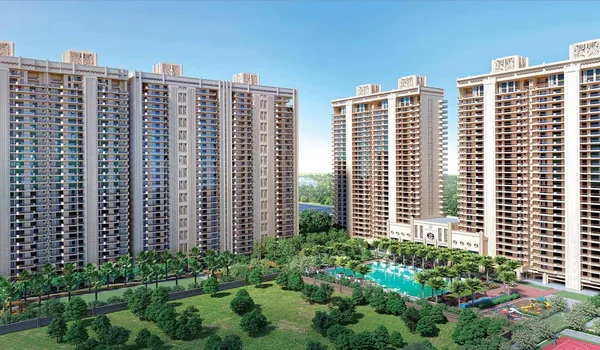
Prestige Medavakkam is a pre-launch project by Prestige Group on Medavakkam–Sholinganallur Road, with TN-RERA registration in process at rera.tn.gov.in. As a Prestige Group project, it is expected to be built to NBC fire safety standards with adequate lift provision, booster pump systems and DG backup. Confirm the specific tower height, lift count per tower and floor plan configurations directly with the sales team during your site visit. Our apartment site visit checklist includes the specific questions to ask about construction quality, lifts and emergency systems when you visit the site.
- Builder: Prestige Group
- Location: Medavakkam–Sholinganallur Road, South Chennai
- Configuration: 2 / 3 / 4 BHK apartments
- Starting price: ₹1.30 Cr onwards
- Status: Pre-launch, RERA application in process
Community Feel, Emergency Safety and the Decision Framework
Community size is a genuine lifestyle variable that buyers underestimate. A 500-unit high-rise complex will have a significantly larger RWA, a bigger maintenance corpus and more resources for common areas, but it will also feel less intimate. Shared amenities may be busier at peak times and the AGM process is more complex with a larger resident base. A 100-unit low-rise complex will typically have a more cohesive community, a smaller but more manageable RWA and common areas that feel less crowded on weekday evenings.
On emergency safety, the National Building Code 2016 mandates specific provisions for high-rise buildings above 15 metres in height, including pressurized staircases, refuge floors at certain intervals, dedicated fire lifts and sprinkler systems. A well-built high-rise compliant with these norms is safe; the risk arises from older or non-compliant buildings where these systems were not installed or are poorly maintained. For new projects, verify fire safety compliance during the site visit by asking to see the fire NOC from the local authority. The decision framework is straightforward: if you value views, cross-ventilation and are comfortable with lift dependency as a daily routine, a high floor in a high-rise building suits you well. If you prefer ground-level access, simpler daily mobility and a more intimate community, a low-rise or a lower floor in a mid-rise building is the better fit.
Bottom line: Verify fire safety compliance and NBC adherence for high-rise projects; choose based on your preference for community size, lift dependency tolerance and the value you place on views versus ground-level access.Frequently Asked Questions
1. Which is better for a family with children: a high-rise or a low-rise apartment?
Families with young children often prefer lower floors in either building type for easy street access. Low-rise buildings eliminate lift dependency entirely; upper floors in a high-rise suit families who value views and cross-ventilation over ground access.
2. Do high-rise apartments have better resale value than low-rise in Medavakkam?
Upper floors in quality high-rise projects generally command a premium and hold resale value well in locations with good views. Low-rise flats in smaller, well-maintained communities can also hold value. Project quality and location matter more than building type alone.
3. Are high-rise buildings safe in earthquake-prone zones in Chennai?
Chennai falls in Seismic Zone II (low intensity). High-rise buildings built to NBC 2016 structural norms using appropriate concrete grade and reinforcement are safe. Confirm the structural system and concrete grade with the builder during your site visit.
4. Do higher floors always mean longer lift wait times in a high-rise?
Not necessarily: it depends on the lift-to-unit ratio and the speed of the lifts. A well-provisioned high-rise with dedicated express lifts for upper floors can have shorter average wait times than a poorly provisioned mid-rise with one small lift.
5. Which floor is ideal to buy in a high-rise apartment in Medavakkam?
Floors 8 to 15 are commonly preferred: above the podium canopy for better light and views, below the topmost floors where water pressure and access can vary. The right floor depends on your budget and how the specific project is designed.
6. Are low-rise apartment projects more likely to deliver on schedule?
Generally, yes: fewer floors mean simpler construction staging and less cumulative delay risk. However, delivery timelines depend primarily on the developer's track record, project funding and approval status rather than building height alone.
Conclusion
Choosing between a high-rise and a low-rise apartment in Medavakkam comes down to six practical trade-offs: views versus ground access, lift dependency versus stair convenience, construction timeline risk, water pressure reliability, community scale and emergency safety provision. Neither building type is inherently superior; the right choice depends on how you weight these factors against each other and the quality of the specific project you are considering. A high-rise from a reputable developer built to NBC 2016 standards is a sound choice for buyers who value views and are comfortable with daily lift use. A low-rise from the same developer offers simpler daily mobility and a more intimate community at the cost of limited views. In both cases, the quality of the developer and the maintenance standards of the community after possession matter far more than the number of floors on the building. To discuss which Prestige Medavakkam configuration suits your lifestyle and budget, contact the sales team directly.
Prestige Medavakkam Blog
 Medavakkam Real Estate Guide 2026
 Top 10 Residential Apartment Projects in Medavakkam 2026
 RERA Approved Pre Launch Projects in Medavakkam 2026
 Ready to Move Apartments in Medavakkam 2026
 New Launch Apartment Projects in Medavakkam 2026
 Medavakkam Property Price Trends 2026
 Is Medavakkam a Good Place to Invest in 2026
 3 BHK Apartments for Sale in Medavakkam 2026
 Top Builders and Developers in Medavakkam 2026
 Apartments Near Sholinganallur & OMR IT Hub Medavakkam 2026
 Medavakkam vs Velachery 2026
 Rental Yield & ROI for Apartments in Medavakkam 2026
 Affordable Apartments Under ₹1 Cr in Medavakkam 2026
 Best Gated Community Apartments in Medavakkam 2026
 Medavakkam vs Sholinganallur 2026
 Under-Construction Projects in Medavakkam 2026
 Apartments Near Velachery from Medavakkam 2026
 2 BHK Apartments for Sale in Medavakkam 2026
 4 BHK Apartments for Sale in Medavakkam 2026
 Home Loan & EMI Guide for Medavakkam 2026
 Apartments Near Medavakkam Metro Station 2026
 Villas for Sale in Medavakkam 2026
 NRI Guide to Buying Property in Medavakkam 2026
 Apartment Possession & Handover Checklist Medavakkam 2026
 Stamp Duty & Registration Charges in Medavakkam 2026
 Property Documents Checklist Before Buying in Medavakkam 2026
 Ready to Move vs Under Construction in Medavakkam 2026
 First-Time Home Buyer Guide for Medavakkam 2026
 Vaastu Tips for Buying an Apartment in Medavakkam 2026
 Rental Management Guide for Medavakkam Owners 2026
 Home Interiors & Fit-Out Guide for Medavakkam 2026
 How to Sell Your Apartment in Medavakkam 2026
 Maintenance Charges & Society Living in Medavakkam 2026
 Commercial & Office Space in Medavakkam 2026
 Moving-In & Relocation Checklist for Medavakkam 2026
 Home Insurance Guide for Medavakkam Owners 2026
 Property Tax Guide for Medavakkam Owners 2026
 Home Safety & Security Guide for Medavakkam 2026
 Buying vs Renting in Medavakkam 2026
 Monsoon & Flood Preparedness Guide for Medavakkam 2026
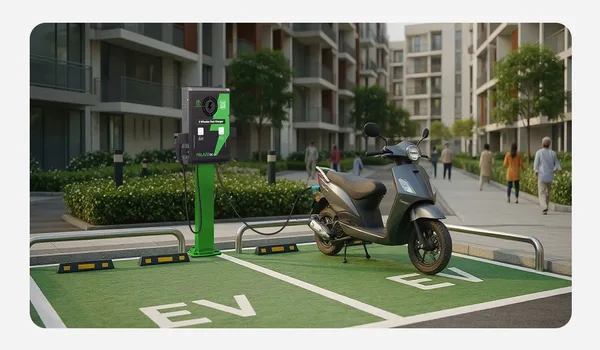 EV Charging & Parking Guide for Medavakkam 2026
 Sustainable & Green Living Guide for Medavakkam 2026
 Senior & Elderly-Friendly Apartment Guide Medavakkam 2026
 Pet-Friendly Apartment Living Guide for Medavakkam 2026
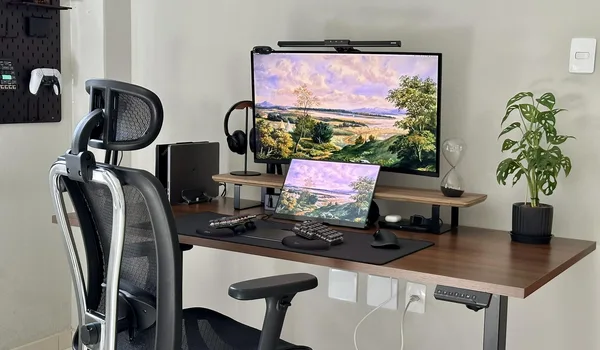 Work-From-Home Apartment Buying Guide for Medavakkam 2026
 Builder Payment Plans Guide for Medavakkam 2026
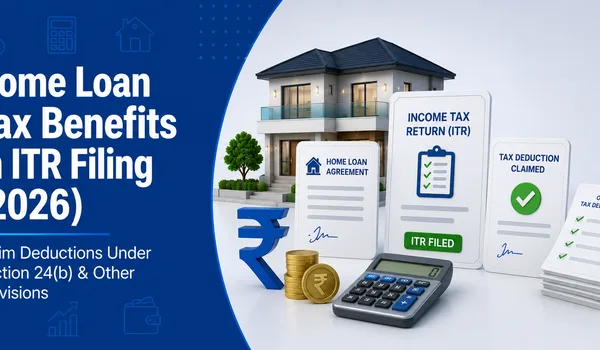 Home Loan Tax Benefits Guide for Medavakkam 2026
 Apartment Resale Value Guide for Medavakkam 2026
 Apartment Site Visit Checklist for Medavakkam 2026
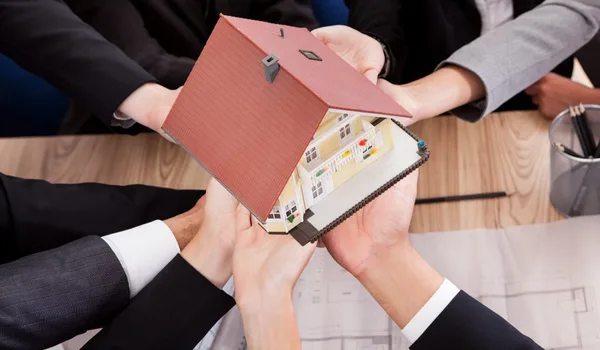 Joint Home Purchase Guide for Medavakkam 2026
 Home Loan Balance Transfer Guide for Medavakkam 2026
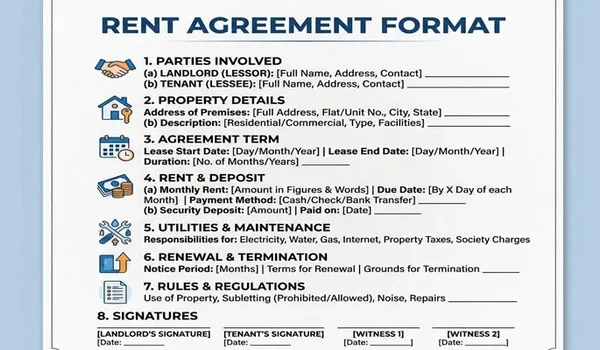 Rental Agreement Guide for Medavakkam Owners 2026
 Family-Friendly Apartment Buying Guide Medavakkam 2026
 Power Backup Guide for Medavakkam Apartments 2026
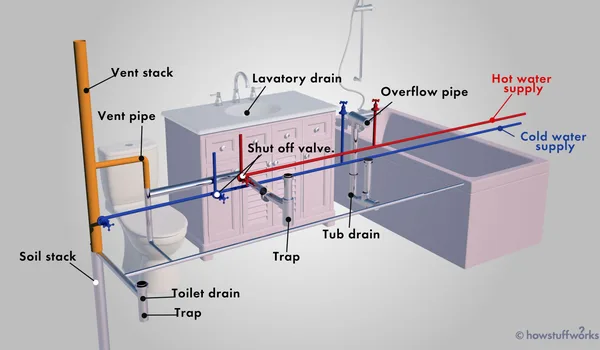 Water Supply & Plumbing Guide for Medavakkam 2026
 RERA Buyer Rights & Complaint Guide Medavakkam 2026
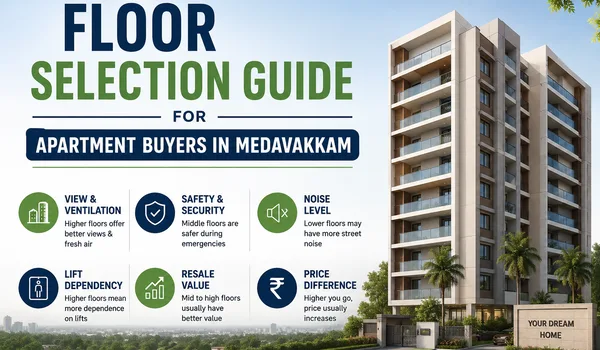 Floor Selection Guide for Medavakkam Apartment Buyers 2026
 Noise & Soundproofing Guide for Medavakkam Apartments 2026
 Broadband & Internet Connectivity Guide Medavakkam 2026
 Fire Safety Guide for Medavakkam Apartments 2026
 Apartment Layout & Configuration Guide Medavakkam 2026
 Swimming Pool & Clubhouse Guide for Medavakkam 2026