Apartment Noise & Soundproofing Guide for Medavakkam Buyers 2026
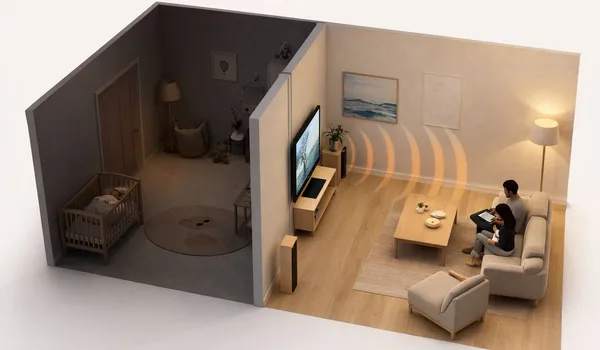
Noise is one of the most common complaints among apartment residents, and it is one of the easiest factors to research before buying. A flat that is quiet in the developer's show apartment may be noisy after possession if it faces a busy road, shares a thin wall with a neighbour, or sits adjacent to a lift shaft or pump room. Buyers who assess noise during a site visit, ask about the construction specification and review the society's bye-laws are much better placed to choose a flat that suits their lifestyle than those who assume all gated-community apartments are equivalently quiet.
Prestige Medavakkam is a pre-launch gated apartment project by Prestige Group on Medavakkam–Sholinganallur Road. Our home safety and security guide covers structural safety, fire safety and community security features; this guide focuses specifically on acoustic comfort, covering the six main sources of noise in apartment living and what to check for each before booking.
Apartment Noise Sources: Six Things to Check Before Booking
The table below covers the six most common noise sources in Medavakkam apartment buildings. Use it as a checklist during your site visit and specification review.
| Noise Source | What Causes It | What to Check Before Booking |
|---|---|---|
| External road and traffic noise | Road-facing flats on lower floors absorb the highest traffic noise; intensity depends on the road width, traffic density and the setback distance between the building face and the road boundary | Visit the site during peak hours (8 to 10 a.m. and 5 to 8 p.m.) to gauge ambient noise from the road; check whether the developer has specified double-glazed or acoustic-grade windows for road-facing units; consider a unit on a higher floor or on the non-road-facing side of the building if traffic noise is a concern |
| Floor-to-ceiling slab and inter-floor noise | Footfall, furniture movement and impact sound from the flat above travel through the concrete floor slab; thicker slabs transmit less impact noise, and acoustic underlay beneath the floor finish further reduces transmission | Ask the developer for the RCC slab thickness specification; confirm whether acoustic matting or a floating screed layer is specified between the structural slab and the floor finish; impact noise from the flat above is a common complaint and is worth investigating before choosing a floor |
| Party walls between adjacent flats | Voices, home entertainment audio and kitchen sounds from the neighbouring flat transmit through shared walls; brick masonry walls with plaster on both sides transmit less airborne sound than lightweight gypsum board partitions | Confirm whether the party walls between flats are brick masonry or lightweight dry-wall partitions; brick walls generally provide better sound insulation than gypsum board; ask the developer for the wall construction specification and the thickness of the party wall between units |
| Windows and balcony doors | Single-pane glass windows and lightweight sliding balcony doors offer minimal attenuation against external noise; the frame material, glass thickness, sealing quality and number of panes all affect how much external noise enters the flat | Confirm whether windows are single-pane or double-glazed; ask about the frame specification (uPVC or aluminium with thermal break) and the quality of weather sealing; double-glazed windows with good sealing significantly reduce traffic and neighbour noise compared to standard single-pane aluminium frames |
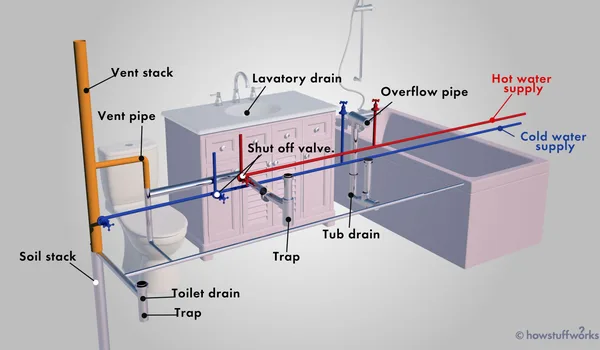
| Plumbing and mechanical noise | Water flowing through vertical plumbing risers in the wall, pump vibration transmitted through the building structure, and lift machinery noise in flats adjacent to the lift shaft or plant room are common sources of mechanical sound that residents rarely anticipate before possession | Identify the location of the plumbing riser, lift shaft and any plant or pump room relative to the flat you are considering; avoid choosing a flat where the bedroom wall is shared with a plumbing riser or lift shaft unless the developer confirms acoustic lining; ask to see the mechanical services layout drawing |
| Society noise rules and quiet hours | Renovation drilling and hammering, loud music from neighbours and late-night social gatherings are common noise sources in gated communities; without written bye-laws specifying quiet hours and renovation windows, noise disputes are difficult to resolve through the RWA | Ask to see the draft bye-laws or society rules before booking; check whether quiet hours are specified (typically 10 p.m. to 7 a.m.) and whether renovation work is restricted to weekday daytime hours; a project with clear written noise rules manages disputes more effectively than one without |
Road Noise, Windows and the Unit Orientation Decision
External road noise is the most predictable noise source because it can be directly experienced during a site visit. Medavakkam–Sholinganallur Road carries a meaningful volume of commuter and commercial traffic during peak hours. Flats facing the main road on the lower floors receive the highest noise exposure; flats on higher floors or on the interior-facing sides of the building are substantially quieter. If you are considering a road-facing unit, visit the site during peak morning and evening traffic, stand on the floor where your unit would be located, and listen for the ambient noise level through the existing window openings. The gap between a show flat on an upper floor and a delivered flat on the second floor facing a main road can be significant.
The window specification is the most controllable factor for reducing road noise after the unit orientation decision has been made. Double-glazed windows with adequate air gap between the panes and good frame sealing can reduce external noise transmission by a meaningful margin compared to standard single-pane aluminium-framed windows. If the project specification includes standard single-pane windows, confirm whether the developer or buyer can upgrade the windows at the time of fit-out. Our apartment site visit checklist includes specific items to check about window specification, unit orientation and noise during your site visit.
Bottom line: Visit the site during peak traffic hours, assess the noise level on the specific floor and facing of the unit you are considering, and confirm the window specification before booking.Inter-Floor Noise, Party Walls and Mechanical Sound
Inter-floor impact noise (footsteps, furniture being dragged, children running) is one of the most persistent complaints in multi-storey apartment living. The construction specification of the slab between floors is the primary determinant: thicker reinforced concrete slabs transmit less impact noise, and an acoustic screed or matting layer between the slab and the floor finish further reduces transmission. Buyers who are sensitive to inter-floor noise should ask the developer for the slab thickness specification and confirm whether any acoustic underlay is included before booking. There is no practical way to retrofit acoustic slab treatment after possession without major civil work.
Party walls between adjacent flats follow a similar logic: brick masonry walls with a plaster finish on both sides generally provide better sound insulation than lightweight gypsum board or AAC block walls. If the developer specifies gypsum board party walls, confirm the total wall thickness and the number of layers; a well-constructed double-layer gypsum board wall can approach brick masonry performance, but a single thin layer will not. Our best gated community apartments guide covers what to look for in overall project construction quality, including wall and slab specification. The apartment maintenance and society living guide covers how an active residents' welfare association manages noise disputes, renovation rules and community bye-laws in practice.
Bottom line: Ask for the slab thickness and party wall construction specification; confirm whether acoustic matting is included; identify the location of the plumbing riser and lift shaft relative to bedrooms before selecting a unit.Prestige Medavakkam Acoustic Specification
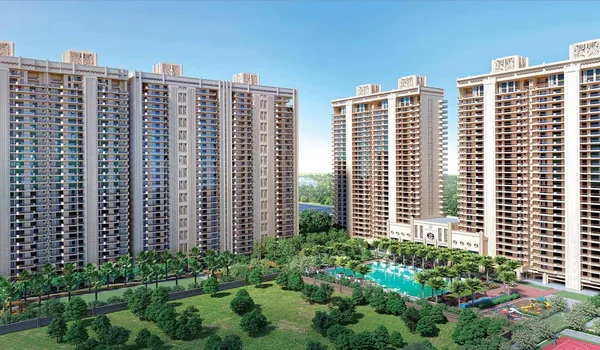
Prestige Medavakkam is a pre-launch project by Prestige Group on Medavakkam–Sholinganallur Road, with TN-RERA registration in process at rera.tn.gov.in. As a Prestige Group project, the slab specification, wall construction details, window type and mechanical services layout can be confirmed with the sales team during a site visit. Ask specifically about the party wall construction between units, the slab thickness and the window specification for road-facing units.
- Builder: Prestige Group
- Location: Medavakkam–Sholinganallur Road, South Chennai
- Configuration: 2 / 3 / 4 BHK apartments
- Starting price: ₹1.30 Cr onwards
- Status: Pre-launch, RERA application in process
Assessing Noise Before Booking and After Possession
The most reliable way to assess a project's noise environment before booking is to visit the site at multiple times of day, specifically during peak traffic hours and in the evening when residents are at home and recreational noise is highest. If the project has completed floors or neighbouring towers, ask the developer whether you can stand in a corridor or shell flat on the floor you are considering. Listen for traffic noise from the road, lift machinery noise near the lift lobby and any sounds from adjacent units or mechanical rooms.
After possession, residents who experience noise issues that arise from the construction specification (rather than from a neighbour's behaviour) should document the problem in writing and approach the developer under the RERA five-year defect liability period if the issue relates to a construction defect such as inadequate wall insulation or poor window sealing. For neighbour-generated noise, the mechanism is the society's RWA and the bye-laws; this is why reviewing the bye-laws before booking matters. A community with clear written rules on renovation hours, quiet hours and common-area noise is more manageable than one without such rules.
Bottom line: Visit the site at multiple times of day, assess noise from each source on the specific floor and unit you are considering, get the acoustic specification in writing, and review the society's bye-laws before signing.Frequently Asked Questions
1. Are apartments in Medavakkam noisy due to road traffic?
Road-facing lower-floor units experience the most traffic noise; upper-floor and interior-facing units are quieter. Visit the site during peak hours to gauge noise on the specific floor and facing you are considering.
2. What is the best way to reduce noise between floors in an apartment?
Thicker RCC floor slabs transmit less impact noise, and acoustic matting between the slab and floor finish helps further. Ask the developer for the slab thickness specification before booking.
3. Are brick walls better than gypsum board for sound insulation between flats?
Generally yes — brick masonry party walls with plaster provide better sound insulation than single-layer gypsum board partitions. Confirm the party wall construction specification with the developer.
4. Can I soundproof my apartment after possession?
You can add heavy curtains, acoustic panels and secondary window glazing after possession, but improving slab or wall insulation requires major civil work and is impractical. Choose a well-specified unit at the time of booking.
5. What should I check about the lift and pump room noise in an apartment?
Confirm the location of the lift shaft and pump room relative to your bedroom walls. Ask whether acoustic lining or anti-vibration mounts have been specified for the lift machinery.
6. How do society bye-laws help with noise disputes in an apartment community?
Written bye-laws specifying quiet hours and renovation windows give the RWA authority to act on noise complaints. Review the draft bye-laws before booking to confirm noise rules are included.
Conclusion
Acoustic comfort in a Medavakkam apartment depends on six things: how much road noise reaches the unit, how well the floor slab controls inter-floor impact sound, how well the party walls insulate between flats, how effective the window specification is against external noise, whether the unit is placed near mechanical noise sources such as lifts and pump rooms, and how robustly the society manages noise through its bye-laws. All six are assessable before booking through a combination of a site visit, a review of the developer's construction specification and a read of the draft society rules. Buyers who do this research choose better and live more comfortably after possession. To find out about the acoustic specification at Prestige Medavakkam, contact the sales team for details on wall construction, slab specification and window type.
Prestige Medavakkam Blog
 Medavakkam Real Estate Guide 2026
 Top 10 Residential Apartment Projects in Medavakkam 2026
 RERA Approved Pre Launch Projects in Medavakkam 2026
 Ready to Move Apartments in Medavakkam 2026
 New Launch Apartment Projects in Medavakkam 2026
 Medavakkam Property Price Trends 2026
 Is Medavakkam a Good Place to Invest in 2026
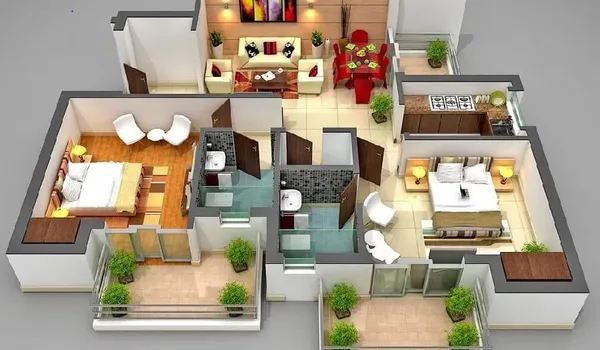 3 BHK Apartments for Sale in Medavakkam 2026
 Top Builders and Developers in Medavakkam 2026
 Apartments Near Sholinganallur & OMR IT Hub Medavakkam 2026
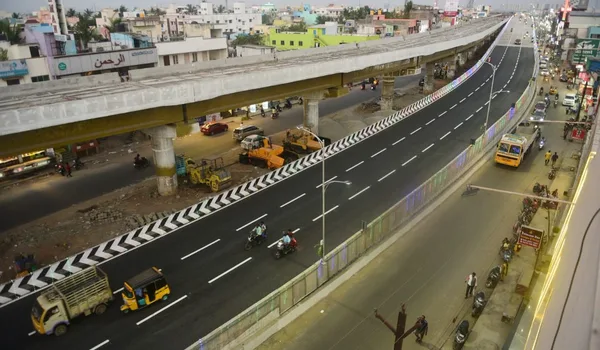 Medavakkam vs Velachery 2026
 Rental Yield & ROI for Apartments in Medavakkam 2026
 Affordable Apartments Under ₹1 Cr in Medavakkam 2026
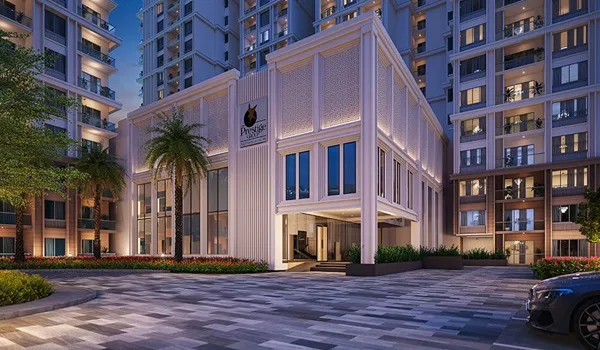 Best Gated Community Apartments in Medavakkam 2026
 Medavakkam vs Sholinganallur 2026
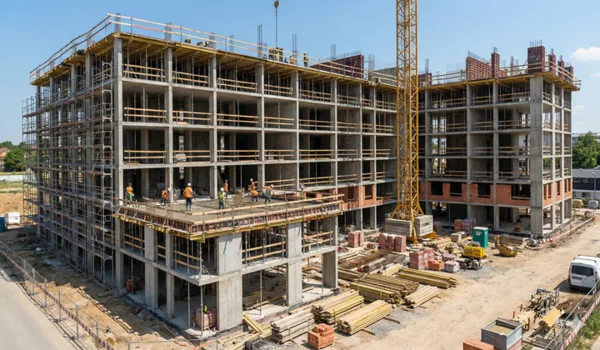 Under-Construction Projects in Medavakkam 2026
 Apartments Near Velachery from Medavakkam 2026
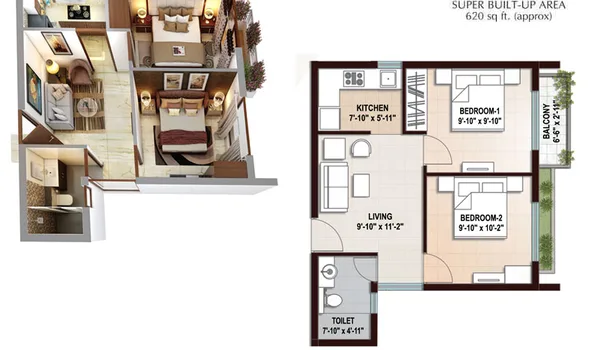 2 BHK Apartments for Sale in Medavakkam 2026
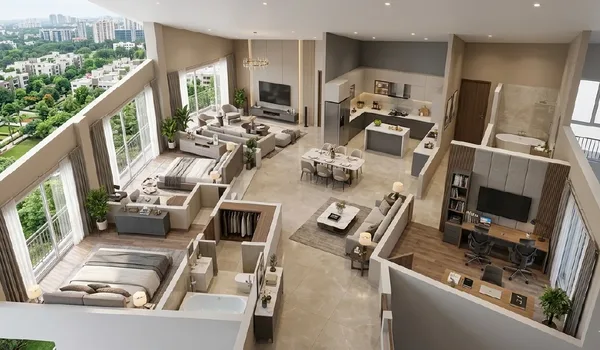 4 BHK Apartments for Sale in Medavakkam 2026
 Home Loan & EMI Guide for Medavakkam 2026
 Apartments Near Medavakkam Metro Station 2026
 Villas for Sale in Medavakkam 2026
 NRI Guide to Buying Property in Medavakkam 2026
 Apartment Possession & Handover Checklist Medavakkam 2026
 Stamp Duty & Registration Charges in Medavakkam 2026
 Property Documents Checklist Before Buying in Medavakkam 2026
 Ready to Move vs Under Construction in Medavakkam 2026
 First-Time Home Buyer Guide for Medavakkam 2026
 Vaastu Tips for Buying an Apartment in Medavakkam 2026
 Rental Management Guide for Medavakkam Owners 2026
 Home Interiors & Fit-Out Guide for Medavakkam 2026
 How to Sell Your Apartment in Medavakkam 2026
 Maintenance Charges & Society Living in Medavakkam 2026
 Commercial & Office Space in Medavakkam 2026
 Moving-In & Relocation Checklist for Medavakkam 2026
 Home Insurance Guide for Medavakkam Owners 2026
 Property Tax Guide for Medavakkam Owners 2026
 Home Safety & Security Guide for Medavakkam 2026
 Buying vs Renting in Medavakkam 2026
 Monsoon & Flood Preparedness Guide for Medavakkam 2026
 EV Charging & Parking Guide for Medavakkam 2026
 Sustainable & Green Living Guide for Medavakkam 2026
 Senior & Elderly-Friendly Apartment Guide Medavakkam 2026
 Pet-Friendly Apartment Living Guide for Medavakkam 2026
 Work-From-Home Apartment Buying Guide for Medavakkam 2026
 Builder Payment Plans Guide for Medavakkam 2026
 Home Loan Tax Benefits Guide for Medavakkam 2026
 Apartment Resale Value Guide for Medavakkam 2026
 Apartment Site Visit Checklist for Medavakkam 2026
 Joint Home Purchase Guide for Medavakkam 2026
 Home Loan Balance Transfer Guide for Medavakkam 2026
 Rental Agreement Guide for Medavakkam Owners 2026
 High-Rise vs Low-Rise Apartments Medavakkam 2026
 Children & Family-Friendly Apartment Guide Medavakkam 2026
 Power Backup Guide for Medavakkam Apartments 2026
 Water Supply & Plumbing Guide for Medavakkam 2026
 RERA Buyer Rights & Complaint Guide Medavakkam 2026
 Floor Selection Guide for Medavakkam Apartment Buyers 2026
 Broadband & Internet Connectivity Guide Medavakkam 2026
 Fire Safety Guide for Medavakkam Apartments 2026
 Apartment Layout & Configuration Guide Medavakkam 2026
 Swimming Pool & Clubhouse Guide for Medavakkam 2026