Home Loan Balance Transfer Guide for Medavakkam Apartment Owners 2026

A home loan balance transfer is the process of moving your outstanding loan principal from your current lender to a new lender who offers a lower interest rate. For apartment owners in Medavakkam who took a home loan during an earlier purchase or booking cycle, the interest-rate environment may have shifted by the time of possession and registration. Moving the loan to a lender with a better rate, when done at the right stage of the repayment schedule and after accounting for all switching costs, can reduce your total interest outflow meaningfully. Switching at the wrong stage, or without a clear calculation of the one-time costs involved, can produce little or no net benefit. This guide covers when a balance transfer makes financial sense, what the switching costs are, and what happens to your tax deductions and documentation when you switch lenders.
Prestige Medavakkam is a pre-launch gated apartment project by Prestige Group on Medavakkam–Sholinganallur Road. For buyers in the process of obtaining their first home loan rather than refinancing an existing one, our home loan and EMI guide covers the eligibility, documentation and EMI calculation process from the beginning.
Balance Transfer: Key Factors at a Glance
The table below covers six factors to evaluate before initiating a home loan balance transfer. All references to tax deductions reflect general IT Act provisions; confirm current limits, regime applicability and individual eligibility with a CA before filing.
| Factor | What to check | When it matters most |
|---|---|---|
| Interest rate improvement | Compare your current effective rate (not the headline rate at origination) with the new lender's offered rate after factoring in any reset clause or margin; confirm whether the new rate is floating or fixed and how it is benchmarked | A meaningful rate reduction on a large outstanding principal with many years remaining can produce a substantial saving over the remaining tenure; smaller differentials on a nearly repaid loan may not justify the switching cost |
| Remaining loan tenure | Check your current amortisation schedule to see how much interest is still outstanding versus principal; the interest component is highest in the early years and declines progressively | A balance transfer is most beneficial in the first half of the loan tenure, when the interest component per EMI is still significant; switching in the final years, when most payments are principal, produces limited interest saving |
| Pre-payment and foreclosure charges | Confirm with your current lender whether a pre-payment or foreclosure charge applies; RBI guidelines prohibit pre-payment penalties on floating-rate home loans from banks and most scheduled housing finance companies; fixed-rate loans may carry charges | Applicable pre-payment charges reduce the net saving from switching; get the exact outstanding principal and any applicable charges in writing from your current lender before calculating the benefit |
| Processing and valuation fees at new lender | Confirm the processing fee, legal/technical valuation fee and any administrative charges the new lender levies; these are typically paid upfront and are not waivable in most cases | All upfront costs reduce the net interest saving; compare the total one-time cost against the projected interest saving over the remaining tenure before agreeing to switch |
| Tax deduction continuity | Confirm with your CA that the new loan agreement is structured as a refinance of the original home loan; a loan classified as a new purpose loan rather than a refinance may affect eligibility for Section 80C and Section 24(b) deductions under the old income-tax regime | If you are claiming home-loan deductions under the old regime, verify deduction continuity with your CA before switching; the new regime does not allow these deductions regardless of the loan structure |
| CIBIL score and documentation | The new lender will run a fresh credit check and request original property documents; a strong credit score improves the rate offered; confirm the full document checklist and the timeline for NOC release from the current lender | Delays in the current lender releasing the NOC and original title documents are the most common bottleneck; plan for at least 3 to 6 weeks for the transfer process to complete after the new lender's sanction |
When Does a Balance Transfer Make Financial Sense?
A balance transfer makes sense when the interest saved over the remaining tenure of the loan clearly exceeds the total one-time cost of switching. The one-time cost includes any pre-payment or foreclosure charges from the current lender, the new lender's processing fee, and any legal or technical valuation fees the new lender requires. To calculate the saving, use your current amortisation schedule to find the total interest remaining under the existing rate, then run a comparable calculation at the new rate for the same outstanding principal and remaining tenure. The difference is the gross interest saving; subtract the switching cost to arrive at the net benefit. A net benefit that is material relative to the switching cost justifies the effort of switching; a marginal net benefit with a complex transfer process may not.
Timing within the loan tenure is the key variable. In the early to mid years of a home loan, the interest component of each EMI is large relative to the principal component, because interest is calculated on the outstanding balance which is still close to the original sanctioned amount. As the loan ages and the outstanding principal falls, the interest component per EMI declines. A rate improvement that produces a large saving in the early years will produce a much smaller saving if the same switch is executed in the final years when most of the outstanding is principal. For apartment owners in Medavakkam who took a construction-linked loan at booking and are now approaching or at possession, the loan balance may still be relatively high if the project was under construction for several years; this is often a reasonable window to evaluate a switch. Our first-time home buyer guide covers the full buying journey from loan application to possession and is a useful reference for understanding where a balance transfer fits in the ownership timeline.
Bottom line: Calculate the net saving (gross interest saving minus all switching costs) and the payback period before initiating a transfer; early to mid tenure is when the arithmetic typically favours switching.Switching Costs, Pre-Payment Rules and Documentation
The most important cost to confirm before initiating a balance transfer is whether your current lender charges a pre-payment or foreclosure fee. RBI guidelines, applicable to banks and most registered housing finance companies, prohibit pre-payment penalties on floating-rate home loans. If your existing loan is on a floating rate (linked to REPO, MCLR or an external benchmark), there should be no pre-payment charge when you close it for the purpose of a balance transfer. Fixed-rate loans, or certain legacy loan products from non-banking lenders, may carry charges; read your existing loan agreement's prepayment clause or ask your current lender directly. Get the outstanding principal amount and any applicable charge in writing before proceeding.
The new lender will run a fresh credit assessment and request original property documents to complete the transfer. Our property documents checklist lists the key title documents a lender typically reviews; for a balance transfer, the new lender will want the original sale deed, title chain documents, OC/CC (where the project is complete), existing lender's latest statement of account, your recent income proof (salary slips or ITR), and the NOC and original document set released by the current lender after the outstanding is cleared. The NOC and document release by the current lender is the step that most commonly causes delays; some lenders have a structured process that takes 3 to 6 weeks after receiving the payoff amount. Plan your timeline with both lenders before signing the new sanction letter.
Bottom line: Confirm pre-payment charges and the full document list with both lenders before proceeding; the current lender's NOC and original document release is typically the longest step in the timeline.Home Loan Considerations for Prestige Medavakkam Buyers

Prestige Medavakkam is a pre-launch project with TN-RERA registration in process at rera.tn.gov.in. Buyers who take a construction-linked loan at booking will typically draw down the loan in tranches as construction milestones are met; the full outstanding builds up over the construction period. After possession and registration, the full loan is active and the balance transfer question becomes relevant if the rate at which the original loan was sanctioned is no longer the best available. For buyers at Prestige Medavakkam who plan ahead, maintaining a strong credit score from booking through the construction period keeps the option of a balance transfer open; a lower credit score at the time of refinancing narrows lender options and affects the rate offered. Our home loan tax benefits guide covers the deductions available under Section 80C, Section 24(b) and Section 80EEA and how they apply to the original loan, information that is also relevant to confirming deduction continuity after a balance transfer.
- Builder: Prestige Group
- Location: Medavakkam–Sholinganallur Road, South Chennai
- Configuration: 2 / 3 / 4 BHK apartments
- Starting price: ₹1.30 Cr onwards
- Status: Pre-launch, RERA application in process
Tax Deductions After a Balance Transfer
Under the old income-tax regime, home-loan deductions under Section 80C (on principal repayment) and Section 24(b) (on interest paid) continue after a balance transfer, provided the new loan is structured as a refinance of the original home loan rather than a new-purpose loan. This distinction matters because the tax treatment hinges on the purpose: a loan taken to purchase or construct a residential property qualifies for Section 24(b) interest deduction; a loan taken for a different purpose does not, even if secured against the same property. When doing a balance transfer, ask your CA to review the new loan agreement's stated purpose before signing; it should clearly reference the original property purchase. The same applies to Section 80C: deductions on principal repayment are available only on loans taken for purchase or construction of a residential property.
The new tax regime, which is the default since FY 2024-25, does not allow Section 80C or Section 24(b) deductions regardless of the loan structure or whether it is an original loan or a balance transfer. Buyers who are planning a balance transfer and intend to continue claiming deductions should confirm with their CA that they have actively opted into the old regime for the relevant financial year, that the new loan agreement supports the deduction claim, and that their proportionate claim (in the case of a joint loan) is correctly documented. Changes in deduction eligibility that arise from a balance transfer are one of the less obvious risks of switching lenders; a conversation with your CA before completing the switch avoids surprises at the time of filing.
Bottom line: Tax deductions continue after a balance transfer under the old regime if the new loan is structured as a refinance of the original home loan; confirm the loan purpose and regime choice with your CA before switching.Frequently Asked Questions
1. What is a home loan balance transfer?
A home loan balance transfer moves your outstanding loan principal from your current lender to a new lender offering a lower rate. You continue repaying at the improved rate, which can reduce total interest cost or lower the monthly EMI.
2. When does a home loan balance transfer make financial sense?
When the projected interest saving over the remaining tenure clearly exceeds the total switching costs (processing fee, valuation, any pre-payment charge). Switching in the early to mid tenure, when the interest component per EMI is still high, produces the greatest benefit.
3. Can I be charged a pre-payment penalty for doing a balance transfer?
RBI guidelines prohibit pre-payment penalties on floating-rate home loans from banks and most scheduled housing finance companies. Fixed-rate loans may carry charges. Confirm with your current lender before initiating the transfer.
4. Do home-loan tax deductions continue after a balance transfer?
Under the old income-tax regime, deductions continue if the new loan is structured as a refinance of the original home-purchase loan. The new tax regime does not allow these deductions regardless. Confirm the loan purpose and regime choice with your CA before switching.
5. What documents does the new lender require for a balance transfer?
Typically: original title deed and property document chain, OC/CC (if project is complete), existing lender's latest account statement, income proof and the NOC and original documents released by the current lender. Confirm the full checklist with the new lender.
6. How long does a home loan balance transfer take?
Typically 3 to 6 weeks after the new lender's sanction, subject to how quickly the current lender issues the NOC and releases original documents. Delays in document release by the current lender are the most common bottleneck in the process.
Conclusion
A home loan balance transfer is a financially useful tool when the interest saving over the remaining tenure exceeds the switching cost by a meaningful margin. The arithmetic favours switching in the early to mid years of the loan, when the outstanding principal is still large and the interest component of each EMI is significant. Before initiating a transfer, confirm the pre-payment charge (if any) with the current lender, get the complete upfront cost schedule from the new lender, and calculate the net saving explicitly rather than relying on the impression that a lower rate automatically justifies switching. The tax deduction question requires a CA's input: deduction eligibility under the old regime continues only if the new loan is correctly structured as a refinance of the original purchase loan, and the new tax regime removes the deductions entirely regardless of structure. For apartment owners in Medavakkam considering a balance transfer after possession, maintaining a strong credit score from the date of booking is the single most controllable factor that broadens the choice of lenders available at the time of refinancing.
To discuss home loan options for a new purchase at Prestige Medavakkam, contact the sales team directly.
Prestige Medavakkam Blog
 Medavakkam Real Estate Guide 2026
 Top 10 Residential Apartment Projects in Medavakkam 2026
 RERA Approved Pre Launch Projects in Medavakkam 2026
 Ready to Move Apartments in Medavakkam 2026
 New Launch Apartment Projects in Medavakkam 2026
 Medavakkam Property Price Trends 2026
 Is Medavakkam a Good Place to Invest in 2026
 3 BHK Apartments for Sale in Medavakkam 2026
 Top Builders and Developers in Medavakkam 2026
 Apartments Near Sholinganallur & OMR IT Hub Medavakkam 2026
 Medavakkam vs Velachery 2026
 Rental Yield & ROI for Apartments in Medavakkam 2026
 Affordable Apartments Under ₹1 Cr in Medavakkam 2026
 Best Gated Community Apartments in Medavakkam 2026
 Medavakkam vs Sholinganallur 2026
 Under-Construction Projects in Medavakkam 2026
 Apartments Near Velachery from Medavakkam 2026
 2 BHK Apartments for Sale in Medavakkam 2026
 4 BHK Apartments for Sale in Medavakkam 2026
 Home Loan & EMI Guide for Medavakkam 2026
 Apartments Near Medavakkam Metro Station 2026
 Villas for Sale in Medavakkam 2026
 NRI Guide to Buying Property in Medavakkam 2026
 Apartment Possession & Handover Checklist Medavakkam 2026
 Stamp Duty & Registration Charges in Medavakkam 2026
 Property Documents Checklist Before Buying in Medavakkam 2026
 Ready to Move vs Under Construction in Medavakkam 2026
 First-Time Home Buyer Guide for Medavakkam 2026
 Vaastu Tips for Buying an Apartment in Medavakkam 2026
 Rental Management Guide for Medavakkam Owners 2026
 Home Interiors & Fit-Out Guide for Medavakkam 2026
 How to Sell Your Apartment in Medavakkam 2026
 Maintenance Charges & Society Living in Medavakkam 2026
 Commercial & Office Space in Medavakkam 2026
 Moving-In & Relocation Checklist for Medavakkam 2026
 Home Insurance Guide for Medavakkam Owners 2026
 Property Tax Guide for Medavakkam Owners 2026
 Home Safety & Security Guide for Medavakkam 2026
 Buying vs Renting in Medavakkam 2026
 Monsoon & Flood Preparedness Guide for Medavakkam 2026
 EV Charging & Parking Guide for Medavakkam 2026
 Sustainable & Green Living Guide for Medavakkam 2026
 Senior & Elderly-Friendly Apartment Guide Medavakkam 2026
 Pet-Friendly Apartment Living Guide for Medavakkam 2026
 Work-From-Home Apartment Buying Guide for Medavakkam 2026
 Builder Payment Plans Guide for Medavakkam 2026
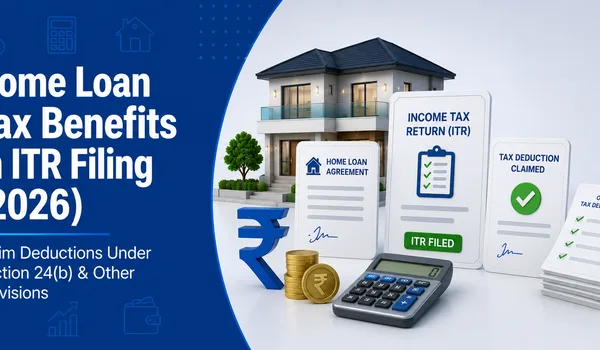 Home Loan Tax Benefits Guide for Medavakkam 2026
 Apartment Resale Value Guide for Medavakkam 2026
 Apartment Site Visit Checklist for Medavakkam 2026
 Joint Home Purchase Guide for Medavakkam 2026
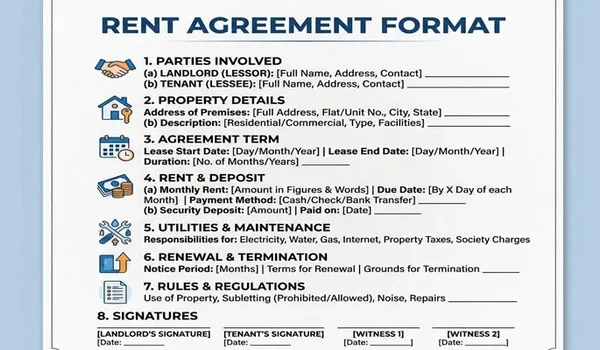 Rental Agreement Guide for Medavakkam Owners 2026
 High-Rise vs Low-Rise Apartments Medavakkam 2026
 Children & Family-Friendly Apartment Guide Medavakkam 2026
 Power Backup Guide for Medavakkam Apartments 2026
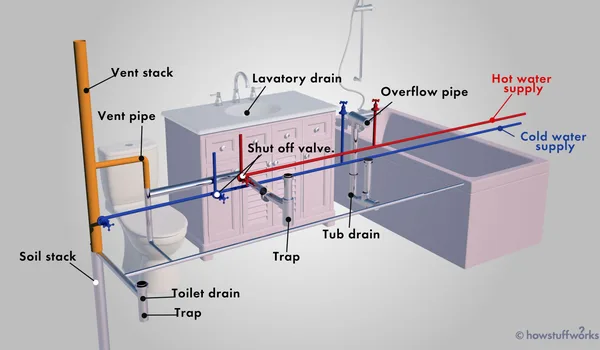 Water Supply & Plumbing Guide for Medavakkam 2026
 RERA Buyer Rights & Complaint Guide Medavakkam 2026
 Floor Selection Guide for Medavakkam Apartment Buyers 2026
 Noise & Soundproofing Guide for Medavakkam Apartments 2026
 Broadband & Internet Connectivity Guide Medavakkam 2026
 Fire Safety Guide for Medavakkam Apartments 2026
 Apartment Layout & Configuration Guide Medavakkam 2026
 Swimming Pool & Clubhouse Guide for Medavakkam 2026